Key Points: Belize Fly Fishing (Quick Takeaways)
- Belize is a Caribbean-facing Central American country with a tropical climate, warm water, and mild “winter” temps compared to mountain destinations.
- The core experience is shallow-water, sight-fishing on flats.
- Flats regions are commonly described as Northern, Central, and Southern Belize, referring to Caribbean cayes/atolls around:
- San Pedro / Ambergris Caye (north)
- Islands and Atolls east of Belize City (central)
- Punta Gorda and the southern coast (south)
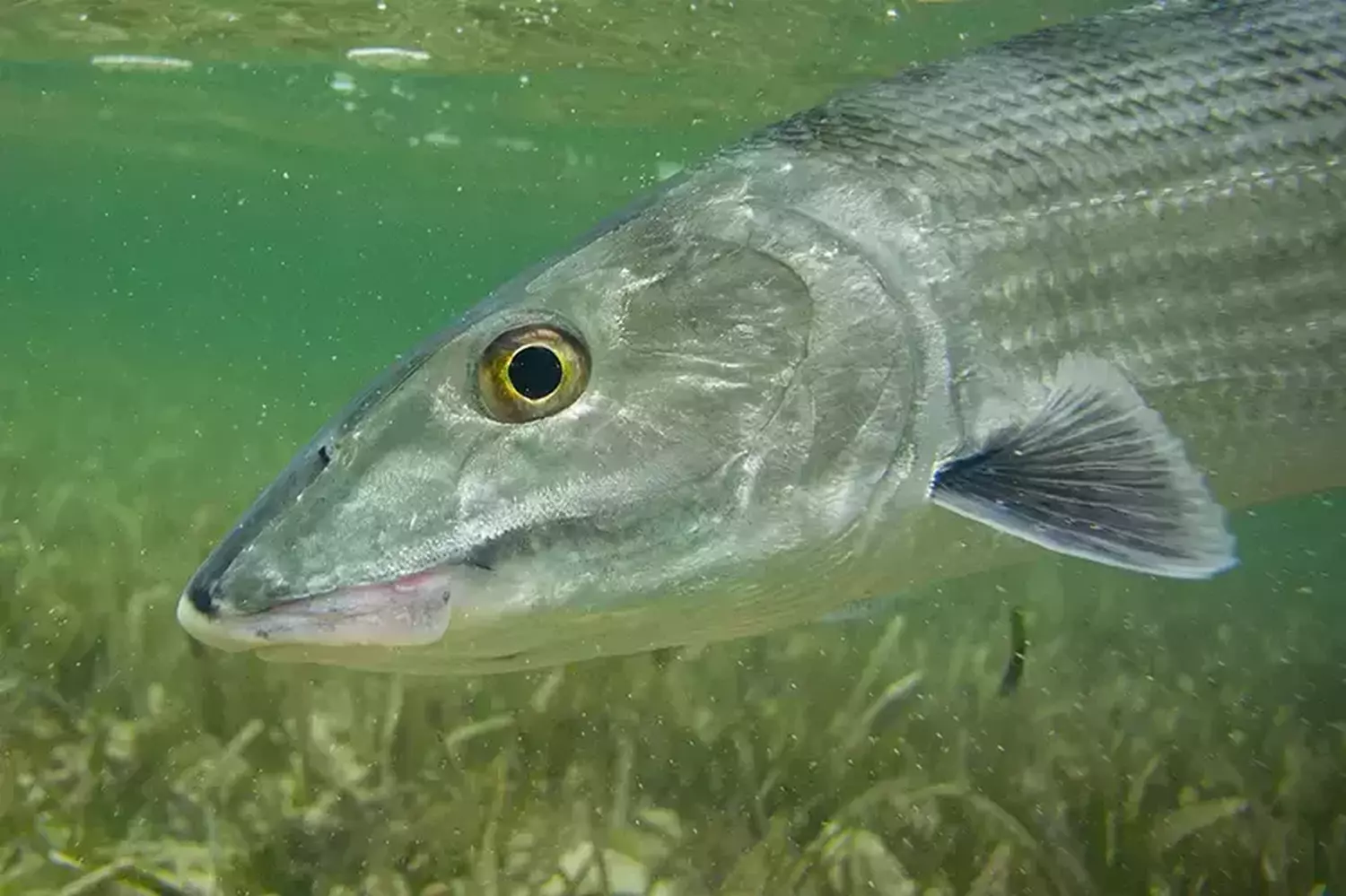
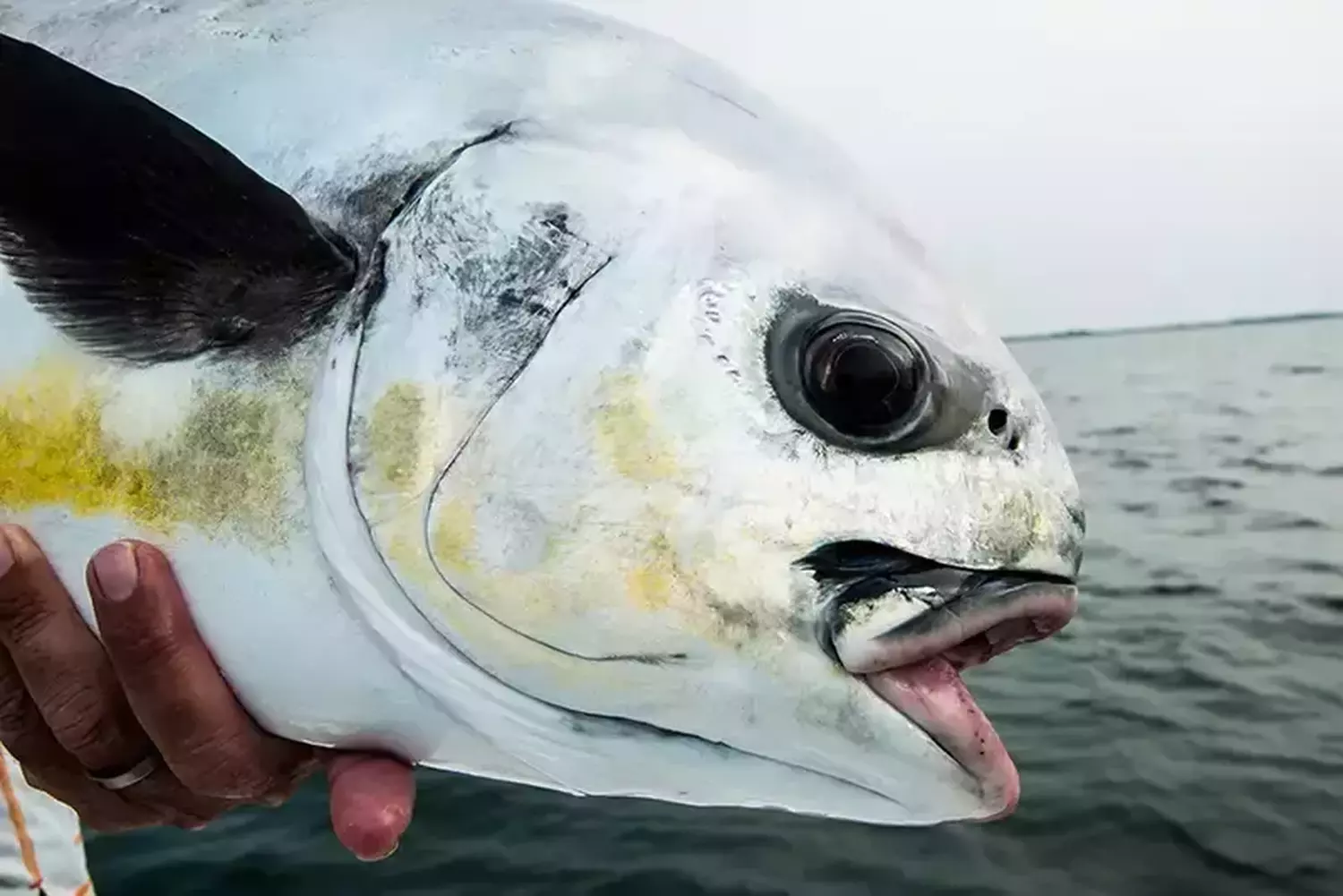
- The “Big Three” species are bonefish, tarpon, and permit—with bonefish often providing the most consistent shots and permit providing the most challenging.
- Wind and light are part of the game: good polarized sunglasses, line management, and efficient casting matter as much as fly choice.
- Belize is widely viewed as conservation-minded, with many reputable programs centered on habitat protection and catch-and-release practices.
- It’s an ideal destination for anglers who want proof that great guiding fundamentals translate anywhere: reading water, fish behavior, presentation, and composure under pressure.
Belize at a Glance: Central America’s Caribbean Flats Playground
Belize sits on the Caribbean coast of Central America, bordered by Mexico to the north and Guatemala to the west and south. While it’s a small country geographically, it holds an outsized place in the saltwater fly fishing world thanks to an incredible mix of protected reef, shallow flats, mangrove habitat, and easy access to the open Caribbean.
The Belize Barrier Reef—one of the largest reef systems in the Western Hemisphere—runs parallel to the coast and helps create the rich and diverse fisheries throughout this Caribbean country.
The climate is tropical, with warm days year-round and water temperatures that stay inviting through the seasons. Trade winds are common (and part of the flats experience), but they also help keep days comfortable, particularly on the outer cayes and atolls. You’ll typically hear trips described in terms of a drier season and a wetter season; both can fish well depending on your priorities, the tides, and seasonal weather systems
Belize is also refreshingly approachable for traveling anglers from the USA. English is the official language, and most visitors find logistics—getting around, communicating with guides, and planning a trip—straightforward. The country is home to just over 400,000 people, and tourism is an integral part of its overall economy.
From a fly-fishing perspective, what stands out most is Belize’s conservation mindset. Catch-and-release is the norm in most reputable flats programs, and Belize has invested in marine protected areas and reserves that help safeguard the habitats that matter: mangroves, seagrass, and reef edges that function as nurseries and feeding corridors for everything from juvenile tarpon to trophy permit.
Belize Fly Fishing on the Flats: Shallow-Water Caribbean Fishing (Northern, Central, and Southern)
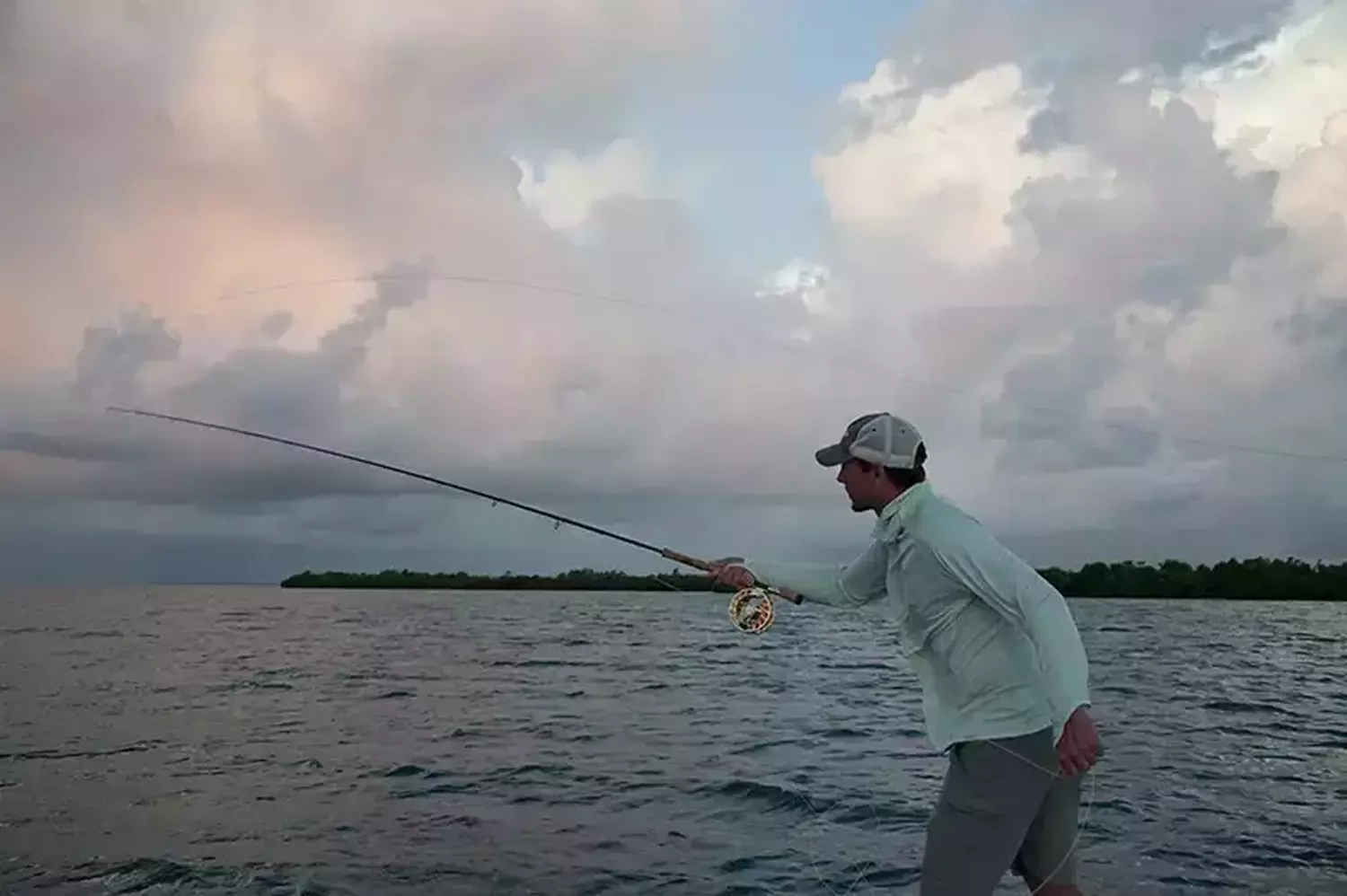
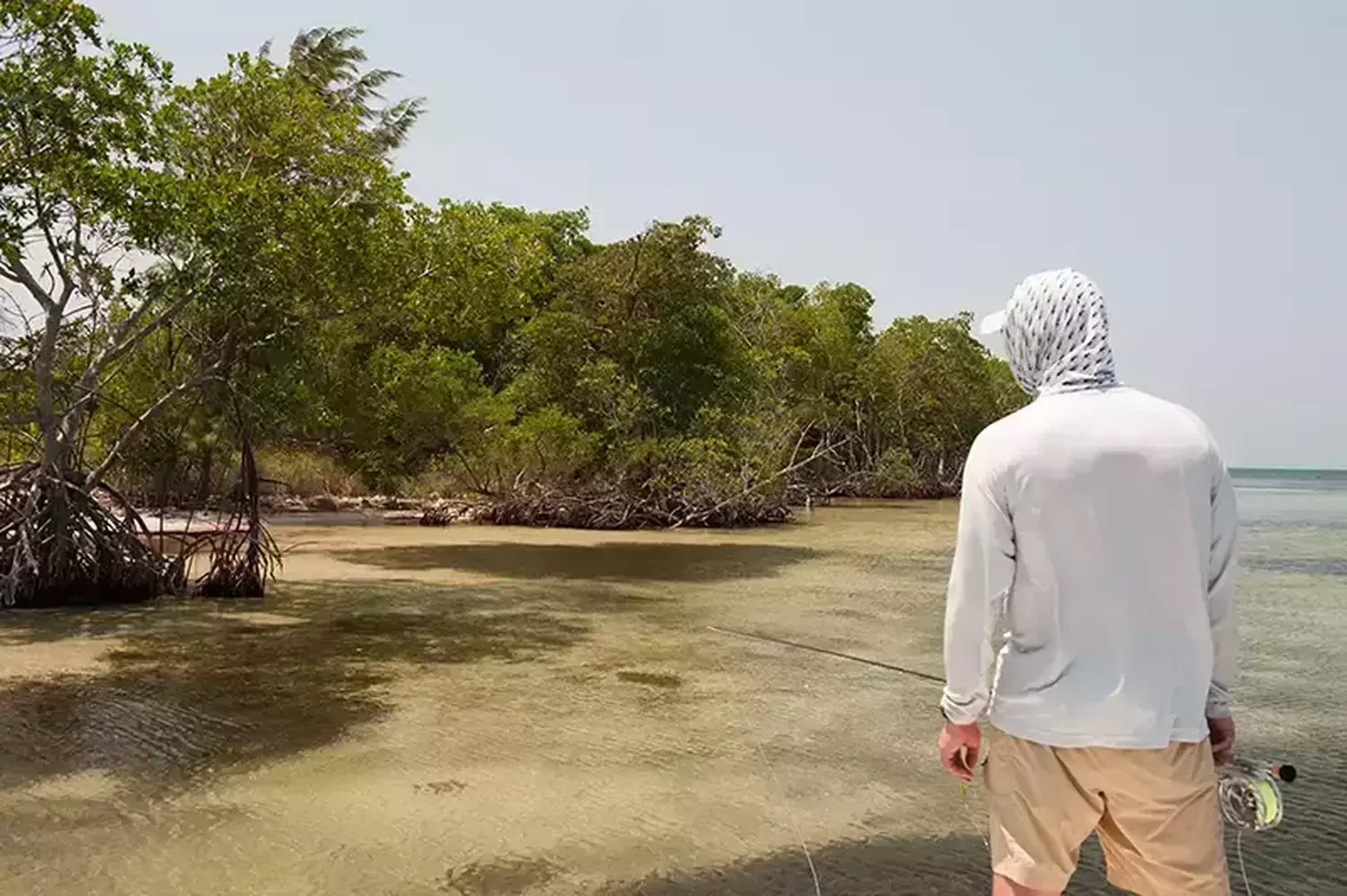
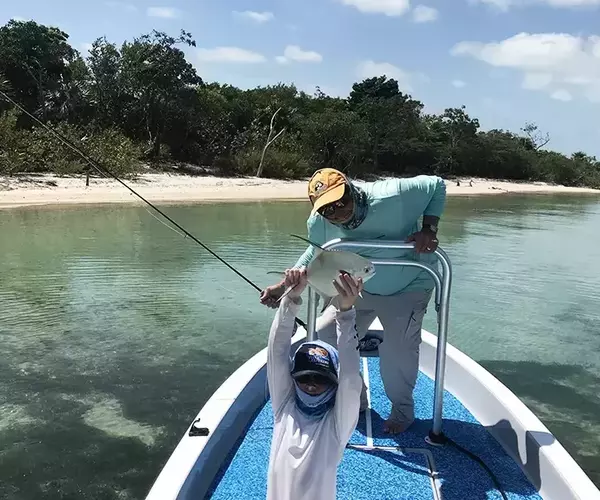
Poling in a small skiff or wading the flats on the Caribbean side of Belize in search of bonefish, permit, and tarpon defines fly fishing in Belize. This is a visual experience in which fish are spotted and the angler tries to place a fly in the right spot at the right time without spooking the target in shallow water.
Belize’s reef and offshore structure create a wide variety of “flats” habitat, including:
- Turtle grass flats
- Firm sand flats
- Mangrove edges and lagoons
- Coral flats
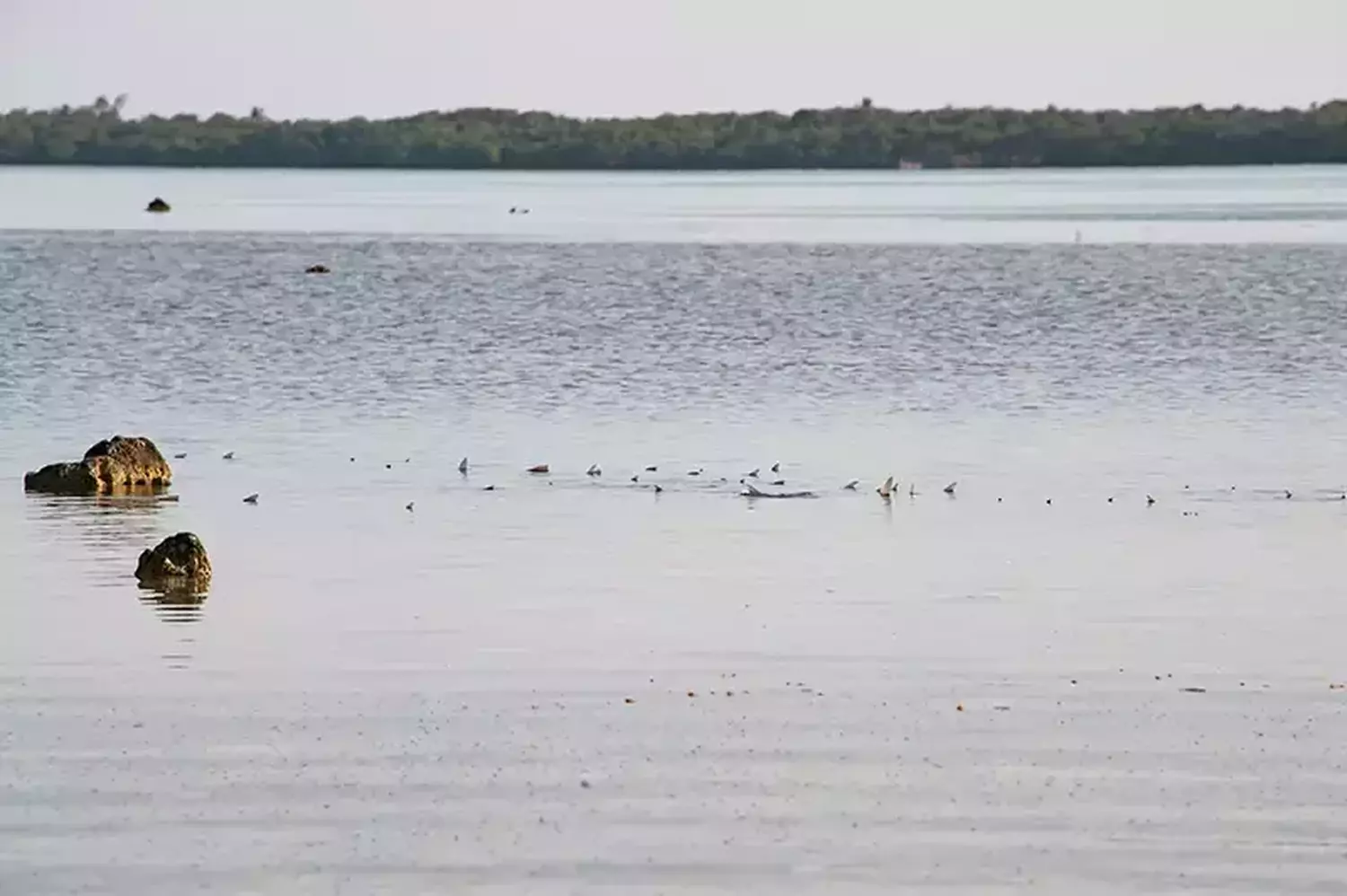
A typical day is a mix of hunting and execution, with long periods of scanning the water for subtle movements and shifting shadows in search of cruising targets. Patience is mandatory. When the opportunity arises, success is often dependent on the anglers’ ability to deliver an accurate presentation within seconds.
Most anglers and guide programs group Belize’s flats fishery into three Caribbean Sea regions—Northern, Central, and Southern Belize.
Northern Belize: San Pedro, Ambergris Caye, and nearby lagoons
Northern Belize fly fishing is centered around San Pedro and Ambergris Caye, plus the surrounding flats, channels, and protected backwaters. It’s the perfect introduction to flats fishing because it offers variety and plenty of opportunities.
What anglers love about the north:
- Consistent bonefish opportunities on grass and sand
- Access to protected water when the wind is up
- Chances at juvenile tarpon in lagoons and channels
- Real permit encounters when conditions line up
It’s also an easy destination to combine fishing with great food, local culture, and comfortable travel—ideal for anglers bringing family or mixing hard fishing with downtime.
Central Belize: The atolls east of Belize City
Central Belize points you toward an endless series of islands and atolls between Belize City and the barrier reef. Endless turtle grass, bright sand, lagoon systems, and reef edges create a diverse fishery that is unique in scale to this part of the Carribean.
Central Belize is often chosen for:
- Permit-specific fly fishing itineraries
- Lots of skiff-based sight fishing across varied bottom types
- Opportunities for larger bonefish and migratory tarpon
- A remote feel
If you like technical fishing for a diverse mix of species in a remote setting, this is the part of Belize to concentrate your planning around.
Southern Belize: Punta Gorda and the mangrove-rich coast
Southern Belize is commonly associated with the Punta Gorda area and the flats and bays that stretch toward the Honduran border. Small island flats and extensive lagoon systems define the fishery.
Southern Belize tends to offer:
- Permit hunting on flats and edges where sand meets grass
- Tarpon opportunities at river mouths and during the summer months
- Excellent chances at snook around mangroves and creek mouths
If permit fishing is your sole focus and you prefer to be a bit off the beaten path, then the Punta Gorda area should be a top consideration.
Belize Fly Fishing is Diverse and Rewarding
Belize is one of the most compelling shallow-water fly fishing fisheries in the Caribbean, with real opportunities for bonefish, tarpon, and permit throughout most of the country.
First time saltwater anglers and groups travelling with non-anglers should consider San Pedro. Southern Belize is one of the world’s premier permit fishing destinations, while the central atolls offer a diverse and remote flats fishing experience.
The Fins and Feathers Guide Service team has traveled and fished extensively throughout Belize since the late 2000’s. El Pescador, Turneffee Flats Lodge, and Garbutt’s Fishing Lodge are a few of our favorite saltwater fly fishing destinations that we have visited and highly recommend.
Fly fishing is our passion. From our Montana fly-fishing guide trips to exploring the world, it's a lifelong sport that has inspired us to see and learn beyond the borders of the Treasure State. Reach out to us if you are headed to any of these Belize fly fishing lodges for our insights and gear recommendations.
Turneffe Flats Lodge
El Pescador Lodge

Garbutt's Fishing Lodge
Belize doesn’t have a single “best” place—your best fit depends on what you want most.
- Northern Belize (San Pedro/Ambergris Caye) is a great mix of access, variety, and consistent bonefish shots – a premier destination for both novice and expert saltwater fly anglers. Ideal for families and groups with non-angling members.
- Central Belize (atolls east of Belize City) is often chosen for remote, big-water flats and serious permit and tarpon hunting. Small fly fishing lodges and liveaboard operations cater to fly anglers on isolated islands and atolls.
- Southern Belize (the Punta Gorda area) is one of the world’s premier permit destinations and is best suited to experienced saltwater anglers. Although tarpon and bonefish are in the area, most anglers and guides focus their efforts on permit in southern Belize.
Most anglers plan around the Big Three:
- Bonefish (most consistent shots on many trips)
- Permit (fewer shots, higher difficulty, huge reward)
- Tarpon (from juvenile fish in protected areas to larger migratory fish, depending on season and location)
Expect to also encounter barracuda, jacks, triggerfish, and snook in the right habitats.
Yes—if you go in with the right expectations. Belize can be excellent for learning because all three flats species can be targeted year-round. Northern Belize is an excellent destination for first-time fly fishers. Here are a few essential skills to work on before your trip:
- Make a clean 40–60 foot cast in the wind
- Practice a fast, efficient casting stroke
- Understand solid strip-set mechanics and fly line control
If you’re brand new to fly fishing, a few casting sessions before the trip can make the experience dramatically better.
Distance helps sometimes, but accuracy and timing matter more. Many of the most important shots at fish happen quickly and are inside of 30–50 feet, often with wind. The difference-maker is being able to:
- Pick up and deliver the fly efficiently and on target
- Change direction quickly
- Lead moving fish with the right presentation
Most anglers bring a two-rod setup:
- 8-weight: bonefish and general flats use
- 10-weight: permit, tarpon, and wind insurance
If you only bring one rod, a 9-weight is a versatile compromise for mixed species, especially if permit and small tarpon are of interest. Most lodges and Belize fly fishing guides offer loaners or rentals; this is often the way to go for novice anglers - especially for heavy-duty tarpon rigs.
You can keep it simple with a small selection of proven patterns and rely on your guides and lodge to have a small assortment of locally developed specialty patterns.
- Shrimp patterns for bonefish like the Christmas Island Special, Squimp, Gotcha, and bitters in a few colors.
- Crab patterns for permit include variations of classics like the Raghead, Bauer, and EP Permit Crab
- Baitfish/streamer patterns for tarpon include Toads, Peanut Butter, Black Death, and the Cockroach
The key isn’t having 60 fly patterns—it’s having a simple mix of color and weight variations of standard patterns. Bonefish and permit flies should be tied with weed guards – especially for central and southern Belize destinations.
Belize can fish well across much of the year, but “best” depends on your priorities (bonefish consistency vs permit windows vs tarpon timing). In general, many anglers plan around:
- March - June for more stable conditions
- Seasonal tarpon windows from June – August, depending on location
Expect unsettled weather during the late summer and early fall, with good conditions between storm systems
It’s primarily skiff-based (poling and spotting), with selective wading depending on the flat, bottom firmness, and conditions. Many anglers do a mix—boat positioning for shots, then short wades when it makes sense.
Permit fishing is often the most technical component of a Belize trip. Success usually comes from:
- Great positioning by the guide
- The right cast the first time
- Matching sink rate and fly size to the bottom
- Staying calm and making small adjustments shot-to-shot.
Even when you don’t hook one, you’ll come home a better angler.
Absolutely. Many Belize fishing hubs pair well with:
- Snorkeling and reef time
- Beach and cultural travel
- Short adventures inland (depending on where you’re staying)
San Pedro and Placencia are great for mixed-purpose travel, while atoll operations are more focused on specific activities like fly fishing and/or diving.
Related Articles From the Montana Fly Fishing Blog
Category: Bozeman Fly Fishing Trip Planning
When Is the Best Time to Fly Fish in Montana? A Complete Seasonal Guide
Post Date: 11/19/2025
Plan your Bozeman fly fishing trip around the best times of the year when water conditions, hatches, and trout activity are at their peaks to get the most out of...
Read Article